
Does a scaffold tag prove an inspection happened?
A tag supplements an inspection report. Ask who holds the report and has confirmed readiness for the intended use.
Using the scaffold
Before a scaffold is used, its users need to know its intended purpose and that it has been inspected. Handover and inspection answer different questions. Agree who manages both before work starts.
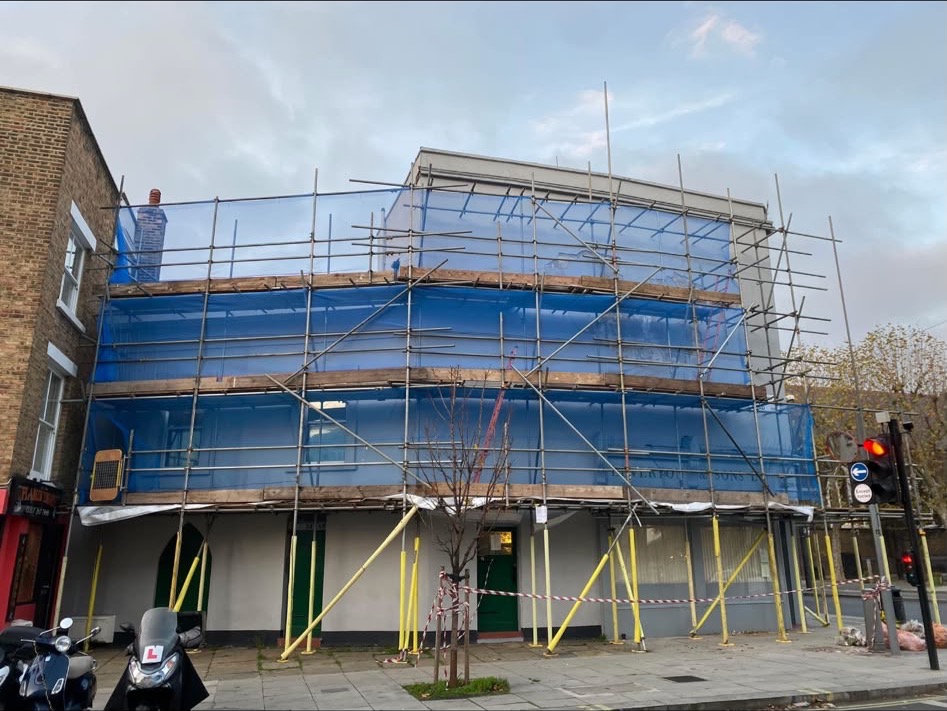
At handover
Ask the provider when the scaffold is complete. Tell every trade which parts of the building it serves, where to enter, which areas are available and whether any section remains out of use. A scaffold standing on site is not automatically ready to climb.
Ask about limits on platform materials, users, sheeting or netting. HSE scaffold guidance says intended use, access, loads and restrictions should be given to the scaffold contractor during planning. Give each trade the information relevant to its work.
Ask who receives handover information, how later trades get it, and whom to contact about changes. Record the agreed scope and use limits.
Inspection responsibility
HSE places responsibility on the scaffold user or hirer to ensure it is inspected by a competent person after installation and before first use, at intervals of no more than seven days, and after circumstances liable to jeopardise its safety, such as high winds. The inspector needs competence suited to the structure. Identify the user or hirer for the actual arrangement; a homeowner does not automatically become the inspector.
Ask the provider and trade who will appoint the inspector, arrange visits, receive reports and act on defects. HSE says a report should record defects or risks and the corrective action taken. If trades use it in sequence, agree who maintains the inspection plan. Handover does not replace the first-use inspection.
Different records
Inspection report: This records a competent person's inspection and any defects and corrective action. HSE's scaffolding FAQ says a visible tag system can supplement inspection reports; the tag itself is not a substitute for the report. If the status is unclear, ask the person controlling use of the scaffold for the current inspection information.
Handover information: This tells users what the scaffold has been provided to do and what restrictions apply. Ask the provider how it will be communicated and recorded. A handover note and an inspection report answer different questions.
Highway permission: Where a scaffold occupies or encroaches over a public highway, a licence concerns its location. It does not confirm the scaffold is safe for a trade to use. See our permits and permissions guide for the location question.
If a label is missing or stale, ask the user or hirer to clarify inspection status before use continues.
When plans change
Tell the provider if a trade needs another work area, different access, more materials or unplanned sheeting. HSE says scaffold erection and alteration require competent people under competent supervision, and the structure should be checked when substantially altered or adversely affected. Do not move boards, ties, ladders or other scaffold parts to make a task fit. If damage is reported, stop using the affected area and contact the person managing it.
For planning a new job, start with preparing for installation and the quote checklist. For roof work, see roofing access and the guides to chimney repairs and loft conversions and extensions.
Common questions
A tag supplements an inspection report. Ask who holds the report and has confirmed readiness for the intended use.
The user or hirer must ensure competent inspections. Agree that role with the provider and trade; a homeowner should not make a technical assessment.
Tell the provider and inspection organiser. Confirm the continuing plan and any change to the agreed period or scope.
Browse more practical articles in the scaffolding guides hub.
Discuss your project
Tell us who will use the scaffold, the work areas and the likely programme so handover and inspection responsibilities can be discussed for the job.