Exterior work

Scaffolding for rendering and painting.

A useful scaffold brief starts with the surfaces and work stages your painter or renderer needs to reach. Ask the trade to describe the access, sequence and materials before the scaffold is quoted so the proposal fits the actual job.

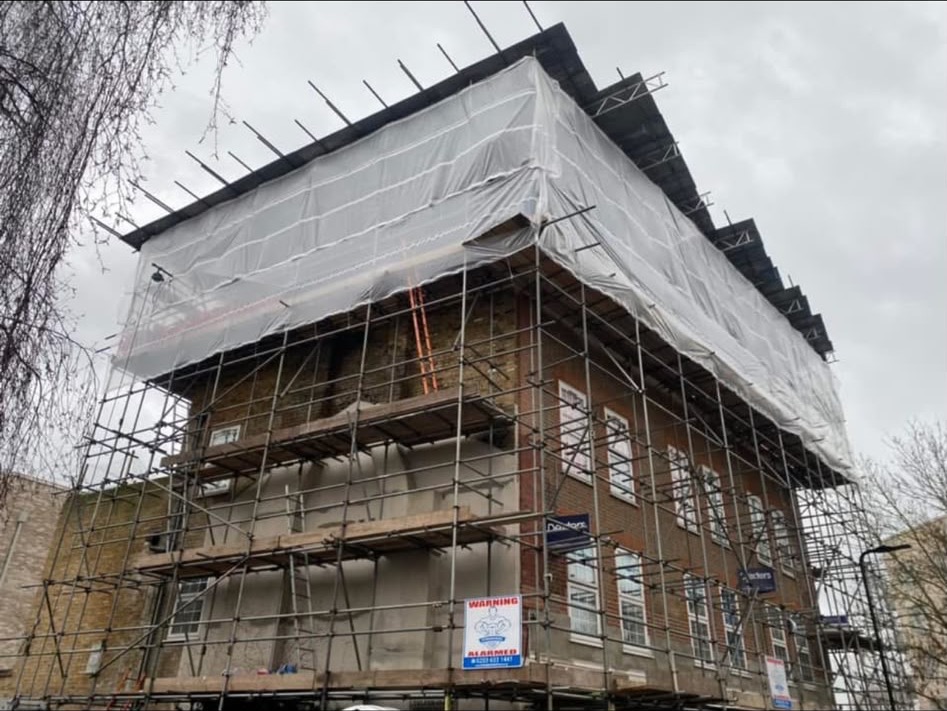
Scaffolding beside a building with sheeting above the work area
Scaffolding around a building

Rendering

Scaffolding for rendering: what to agree first

Rendering differs from most repairs because the renderer often needs to work across a whole wall, not one spot. Agree these points with your renderer and scaffold supplier before the quote is final.

  • Whole elevations. Mark every wall being rendered, including returns and gables, so the brief covers the full length and height of the surface.
  • Working room. Ask what working distance the renderer needs, and tell the scaffold supplier, who decides how the platform is set up.
  • Scaffold ties. Scaffold is normally tied to the building. Ask the scaffold supplier where ties would go on the wall and who makes good those points. Only a competent scaffolder should move or remove a tie.
  • Materials. Tell the supplier what will be carried or stored on the platforms, and where mixing will happen on the ground.
  • Old render. If existing render is being hacked off first, say so. The waste and the work sequence differ from applying a new coat.

If the walls will also be painted, include that in the same brief.

Contractor brief

Which surfaces and tasks need access?

Ask the painter or renderer to mark the elevations and height they need to work on, including returns, gables, chimneys, eaves, fascias and areas around windows. A front elevation only may be a different brief from all sides of a house. Mention awkward corners, porches, extensions or ground that changes level.

Tell the scaffold supplier what the trade intends to do on the platforms: preparation, repairs, painting, render application or finishing. Describe materials, expected users and any areas where the contractor needs a particular working distance. HSE guidance says the intended use, working loads, dimensions, access and ground conditions should be shared at the start of scaffold planning.

Send one joined-up brief

Include the postcode, building type, photographs of each relevant side and the painter's or renderer's work list. Ask the trade to confirm the access they need before comparing scaffold quotes. See what affects a quote.
Programme

Plan the sequence, not just the start

Exterior work often moves through preparation, repair, coating or render application, finishing and a final check. Ask the trade which areas they will need at each stage and when other work, such as roofing or gutter repairs, must happen. If two trades need the same side, discuss the order and whether the scaffold scope covers both.

For rendering, let the specialist set the programme for their chosen materials and site conditions, including any waiting or curing stage before a following coat or scaffold removal. For painting, ask how surface preparation and weather-dependent work affect the dates. Do not choose a removal date from a generic curing figure. Agree how changes in the trade's programme will be communicated to the scaffold supplier.

  1. Which elevations and upper details need working access, and in what order?
  2. Will a roofer, builder or another trade need the scaffold before or after the painter or renderer?
  3. What period does the proposed scaffold quote assume, and how will a change be handled?
  4. Who will confirm that every trade has finished before dismantling is booked?

Occupied properties

Keep daily access in the conversation

If people will live or work in the building during the job, identify doors that must remain usable, windows that need opening, deliveries, bins and garden or side-gate routes. Tell the supplier and trade about tenants, visitors or business opening times. The proposed arrangement should be discussed against these needs before installation, especially where an entrance or shared route is close to the work.

Ask the decorating or rendering contractor how they will protect surfaces, manage dust or splashes, and leave their work area at the end of each day. Their working method and the scaffold arrangement need to be coordinated; a photograph of the façade alone will not show how the building is occupied.

If roof, gutter or eaves work overlaps, specify which areas each trade needs and who will agree the order. Our roofing scaffolding guide helps frame that discussion.

Tell the scaffold provider if the trade requests sheeting, netting or other protective measures. HSE says these must be considered by the people responsible for the scaffold design and erection; they should not be attached later without their assessment. Ask the relevant professionals what protection suits the work and site.

Questions answered

Before the painter or renderer starts

Do you need scaffolding to render a house?

Rendering a full wall means long periods at height with tools and heavy materials, so scaffold is commonly used. Your renderer should plan safe access for the actual house and work. HSE says general access scaffolds should be provided whenever practicable.

Can the same scaffold serve painting and roof work?

Possibly, if the access needs and sequence are specified together and the supplier assesses the proposal for both trades. Share the roofer's and painter's briefs before the quote; do not assume one arrangement suits every task.

Should I request sheeting?

Describe the work and the protection concern to the trade and scaffold supplier. They can assess suitable measures for the site. HSE warns that sheeting or debris netting affects scaffold design, so it must be planned rather than added informally.

What should I confirm before removal?

Have each trade confirm its work is complete and ask about any inspection or snagging access it still needs. Then tell the scaffold supplier the agreed removal window. Our preparation guide covers delivery and handover questions.

For access near a road or neighbour, read permits and permissions. Arkley covers North London and Hertfordshire; see all service areas.

Discuss your project

Tell us what you need access for.

Tell us the surfaces your trade needs to reach, the likely sequence and any occupied-property or access constraints.