What are the main parts of a scaffold?
Standards, ledgers, transoms, braces, base plates, boards, guard rails, toe boards and ties. Together they carry the load to the ground, keep the scaffold stable and make the platform safe to work on.
Plain English
The words scaffolders use, from standards and ledgers to putlog and cantilever scaffolds, explained so you can follow a quote or a site conversation. This guide explains terms; it is not a guide to building or altering a scaffold.
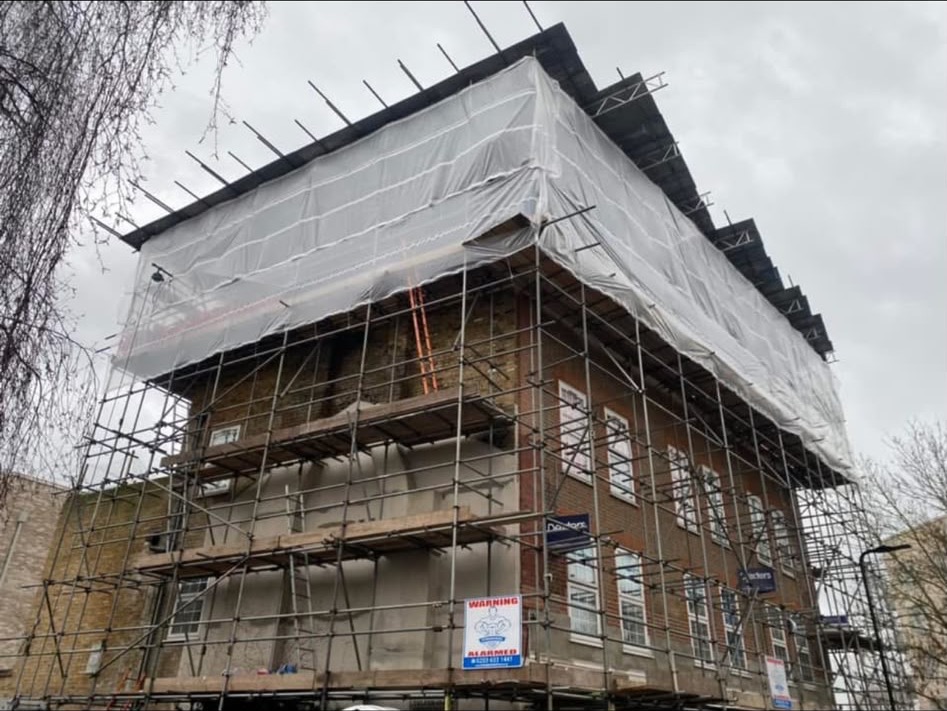
Parts of a scaffold
Safety terms
HSE scaffold guidance says guard rails should be at least 950 mm above any edge people could fall from, with intermediate rails so the unprotected gap does not exceed 470 mm, plus toe boards. Ties must not be removed except by the scaffold contractor, so ask them if one is in the way. HSE says ties are removed only in stages as a scaffold is taken down, and if one is removed to allow work, an equivalent tie must be provided nearby.
Duty rating describes the load a scaffold platform is designed for. HSE says to assume a scaffold is “general purpose” unless your provider tells you otherwise, and to tell the provider if you plan to load platforms with heavy materials.
TG20 is industry guidance from the National Access and Scaffolding Confederation that sets out standard configurations for tube and fitting scaffolds. A scaffold outside a recognised standard configuration needs a bespoke design.
Types of scaffolding
HSE lists structures that normally need a bespoke design, including many cantilever scaffolds, complex loading bays and temporary roofs. This guide explains the terms; it does not mean Arkley supplies every type.
Add-ons
Sheeting and netting catch the wind and add load to the scaffold. HSE says never to sheet or net a scaffold without telling the people who designed and put it up, because it must be designed for it. Raise sheeting or netting before the scaffold is planned.
Questions
Standards, ledgers, transoms, braces, base plates, boards, guard rails, toe boards and ties. Together they carry the load to the ground, keep the scaffold stable and make the platform safe to work on.
Netting is a mesh that helps contain debris and dust; sheeting is plastic and gives more protection from weather and dust. Both add wind load, so the scaffold must be designed for them.
A card at the access point showing whether the scaffold has been inspected and can be used. Read our scaffold tags guide.
Discuss your project
Seen a term on a quote you want explained? Call or send a WhatsApp message and we can go through it.